The Nature of Luck in Gambling
Luck is often perceived as the driving force behind winnings in gambling, particularly in casinos. This perception stems from the unpredictable nature of games like slot machines, roulette, and dice games, where outcomes can seemingly arise at random. Players frequently attribute their victories or losses to luck, believing that a fortunate streak can drastically alter their fate during a gaming session, especially when they prefer a fast withdrawal casino that enhances their excitement and engagement. This notion can create a strong psychological connection between players and the games they choose, shaping their experiences and expectations.
In addition to randomness, the concept of luck encompasses a broader range of factors including psychological elements and emotional states. For instance, players may feel luckier on certain days or in specific environments—perhaps a lively casino atmosphere enhances their sense of fortune. These feelings can encourage players to take risks they might otherwise avoid, leading to a more engaged gaming experience. However, it is essential to remember that these instances of “luck” often blur into personal biases, where individuals fail to recognize the role of skill and probability.
The interplay of luck and skill in gambling is particularly evident in games with multiple strategies, such as poker or blackjack. While luck influences the outcome of individual hands, a skilled player can consistently outperform less experienced opponents over time. Thus, while luck may play a significant role in short-term results, success in many casino games is ultimately rooted in understanding game mechanics, employing effective strategies, and managing risk appropriately.
The Role of Skill and Strategy
While luck is often seen as paramount, skill and strategy have a profound impact on casino success. In card games like poker, for instance, a player’s knowledge of odds, reading opponents, and bluffing can significantly influence their winnings. An experienced player relies not just on chance but on a calculated approach, maximizing their potential success by making informed decisions throughout the game. This skill can offset the inherent luck factor, especially over a series of games.
Moreover, understanding the rules and strategies behind various games can enhance a player’s ability to mitigate losses and optimize their chances of winning. For example, knowing when to hit or stand in blackjack based on the dealer’s upcard can create opportunities that luck alone cannot guarantee. Practicing strategies, such as card counting or bankroll management, showcases how skillful play can lead to greater profitability in games typically viewed as luck-based.
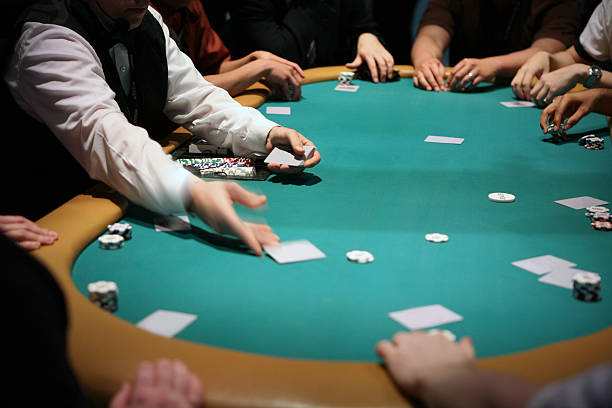
In many respects, the successful gambler treats luck as a factor to be managed rather than relied upon. They recognize that while luck may dictate the outcome of a single round or spin, skillful play can build an advantage over time. Therefore, a balanced approach that incorporates both a respect for luck and an understanding of strategic gameplay is essential for long-term success in casino environments.
Psychological Factors Influencing Perceptions of Luck
Psychology plays a crucial role in how players perceive luck in gambling. Cognitive biases, such as the gambler’s fallacy, can distort one’s belief in their own luckiness. This fallacy leads players to believe that previous outcomes can influence future results, such as thinking that a series of losses means a win is due. Such beliefs can encourage continued play despite unfavorable odds, as players chase the elusive “lucky streak.” Understanding these biases is essential for players to approach gambling more rationally.
Additionally, emotional states can significantly affect a player’s perception of luck. For instance, feeling lucky or optimistic can lead players to take greater risks, believing that they can beat the odds. Conversely, a sense of defeat may deter players from wagering at all. The emotional rollercoaster of gambling can cloud judgment and impact decision-making, making it imperative for players to stay grounded and recognize when their emotions may be steering them away from strategic choices.
Social influences also shape perceptions of luck. Engagement with other players, whether through competitive play or casual conversation, can create a shared belief in luck that may not align with the realities of probability. This shared sense can heighten excitement and lead to more engaging experiences but can also perpetuate faulty beliefs about winning streaks or lucky moments. By fostering awareness of these psychological elements, players can better navigate their gambling experiences, allowing for a more informed approach to luck in their casino ventures.
The Odds: A Mathematical Perspective
At the core of every casino game lies a set of odds that dictate player success over time. Understanding these odds is critical for players who wish to decipher the role of luck versus skill. In games such as roulette, the odds are clearly defined, and players can calculate their probabilities of winning based on the specific bets they place. Despite fluctuations in individual outcomes, the house edge remains constant, suggesting that over time, luck will balance out according to the established probabilities.

The concept of expected value is particularly important when assessing the balance between luck and strategy in games. Expected value quantifies the average outcome of a bet, allowing players to make more informed decisions based on potential returns versus potential risks. While short-term play may yield unpredictable results, a clear understanding of expected value empowers players to make decisions that align with their long-term goals, thus minimizing reliance on sheer luck.
In games where luck plays a more significant role, such as slot machines, players often face a higher house edge. However, recognizing this can lead to more strategic gameplay. For example, players might choose to play machines with better payout percentages, knowing that although luck is still a factor, they are maximizing their chances of winning over time. By embracing a mathematical perspective, gamblers can approach their activities with greater awareness and intention, potentially enhancing both their enjoyment and their success.
Understanding Your Own Gambling Experience
Ultimately, every player’s experience in a casino is uniquely shaped by their understanding of luck, skill, and psychology. Whether a player thrives on the thrill of chance or approaches games with a strategic mindset, their individual perspective will influence their overall satisfaction and performance. Players must take time to reflect on their motivations for gambling, whether seeking entertainment, social interaction, or financial gain, and how these motivations align with their actual experiences.
By cultivating self-awareness, players can assess their relationship with luck and make conscious decisions about their gambling habits. For instance, recognizing when emotions are clouding judgment can empower individuals to step back and reassess their strategies, ultimately leading to healthier gambling practices. Understanding the balance of factors at play can also enhance enjoyment, allowing players to engage with the games more thoughtfully rather than simply attributing their outcomes to luck.
Furthermore, casinos and gambling platforms can foster a culture of responsibility by providing resources that educate players about the realities of luck and skill. Offering insights into game mechanics and promoting responsible gaming practices can contribute to a more informed player base. As players navigate the complexities of luck in their gambling endeavors, having access to such resources can empower them to make more informed choices and maximize their enjoyment of the gaming experience.